Transporting bicycles on the rear of a motorhome involves specific technical and regulatory constraints. Here are the 5 most common mistakes to avoid for a serene journey with your leisure vehicle.
Overloading your bike rack: a common mistake
The transport of electrically assisted bicycles (e-bikes), which are considerably heavier than traditional models, significantly increases the risk of overloading. Each bike rack has a strict technical limit that must never be exceeded, otherwise the fixings could break.
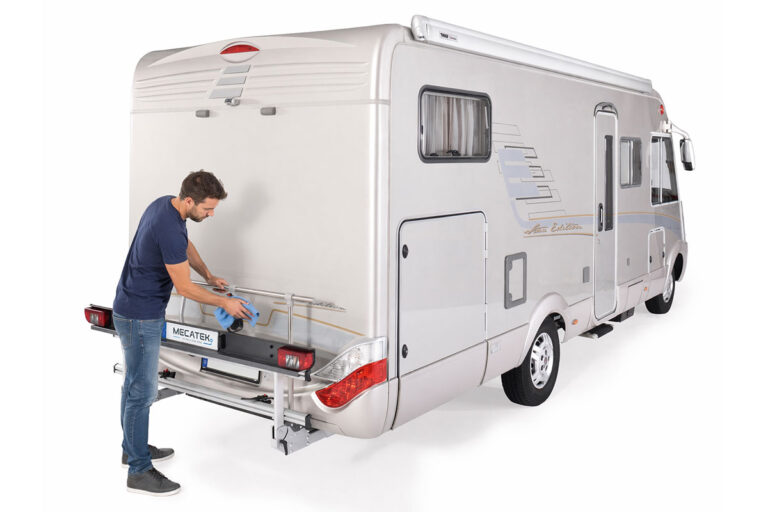
All our models of Bike rack for motorhome are approved to European standards and have a robust payload of 60 to 130 kg (like the E-Bike for 2 e-bikes or the Compact-Line for 5 bikes).
Consider calculating the cumulative weight of your bikes and ensure this additional mass doesn't push the vehicle beyond its Gross Vehicle Weight Rating (GVWR).
Neglecting to secure bikes
Poor fastening is the main cause of bicycles falling off on the motorway. Using simple bungee cords or makeshift ropes is a major mistake. The dynamic forces experienced by the rear end during braking or on poor roads require a rigid lashing.
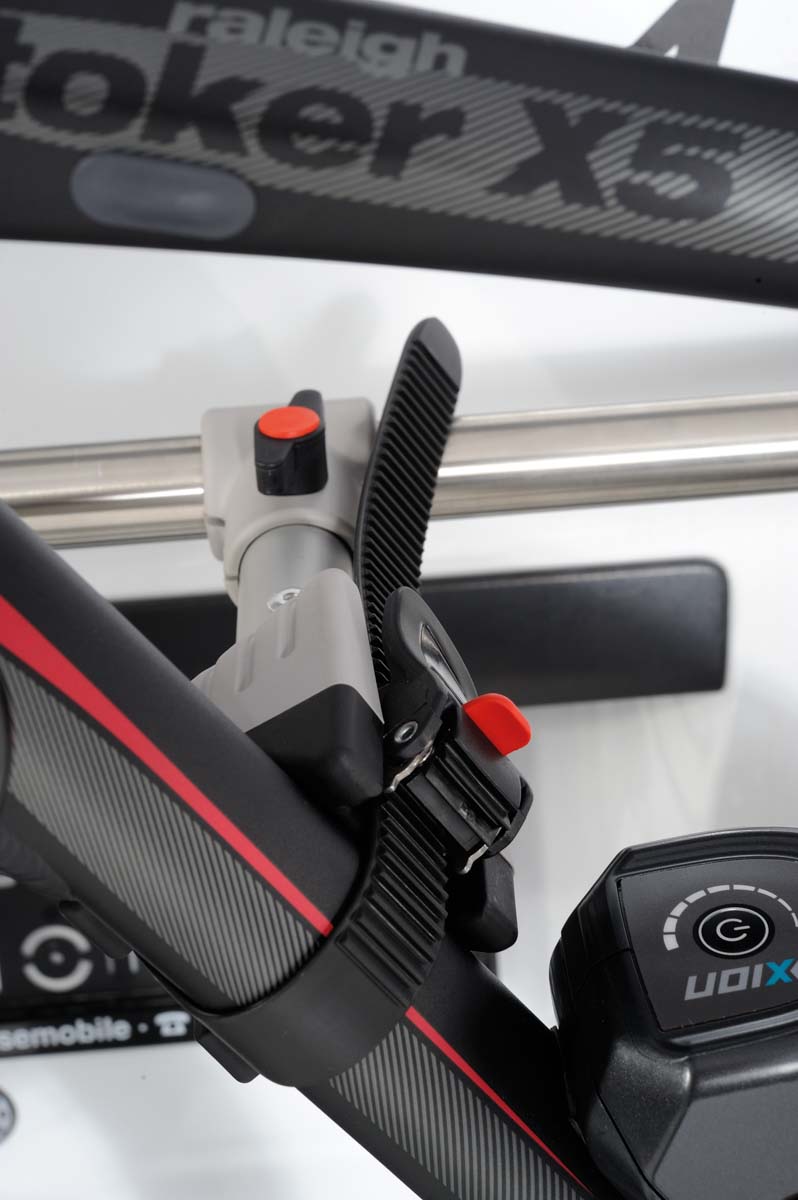
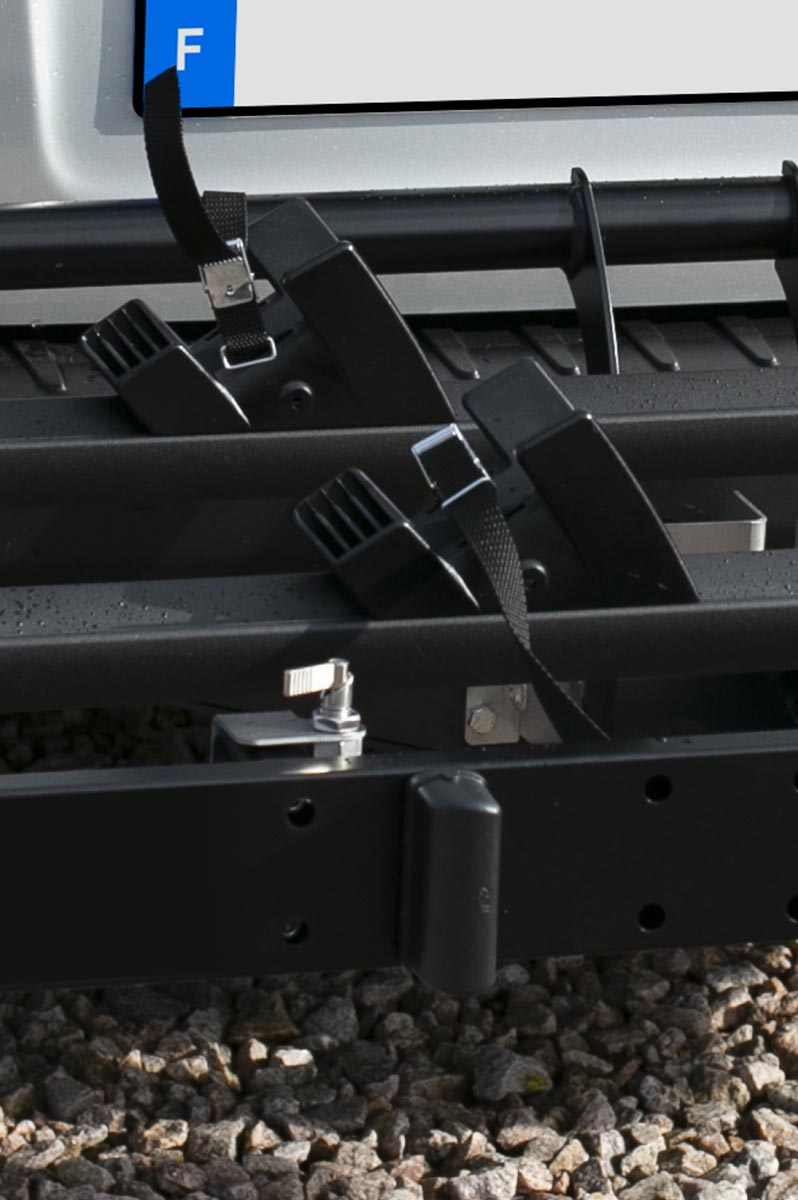
Always use the supplied articulated securing arms to brace the frames, and firmly secure the wheels at the bottom of the rails using robust chocks.
If you have electric bikes, make a habit of removing the detachable batteries before setting off: this will allow you to reduce the total load on your bike rack, and also prevent the battery from coming loose due to vibrations.
Forget the signalling and visibility rules
The Highway Code clearly states the rules to be followed regarding signalling and visibility. Rear loading must never obscure the original lights or the motorhome's number plate. If your bikes obscure these elements, fitting a supplementary light bar and an approved, illuminated number plate is compulsory.
Also pay attention if you are travelling to Spain or Italy. In these countries, the law requires the installation of a square, red and white reflective sign as soon as equipment creates a rear overhang, even if the bike rack is folded up empty.
Unevenly distributing the load on the bike rack
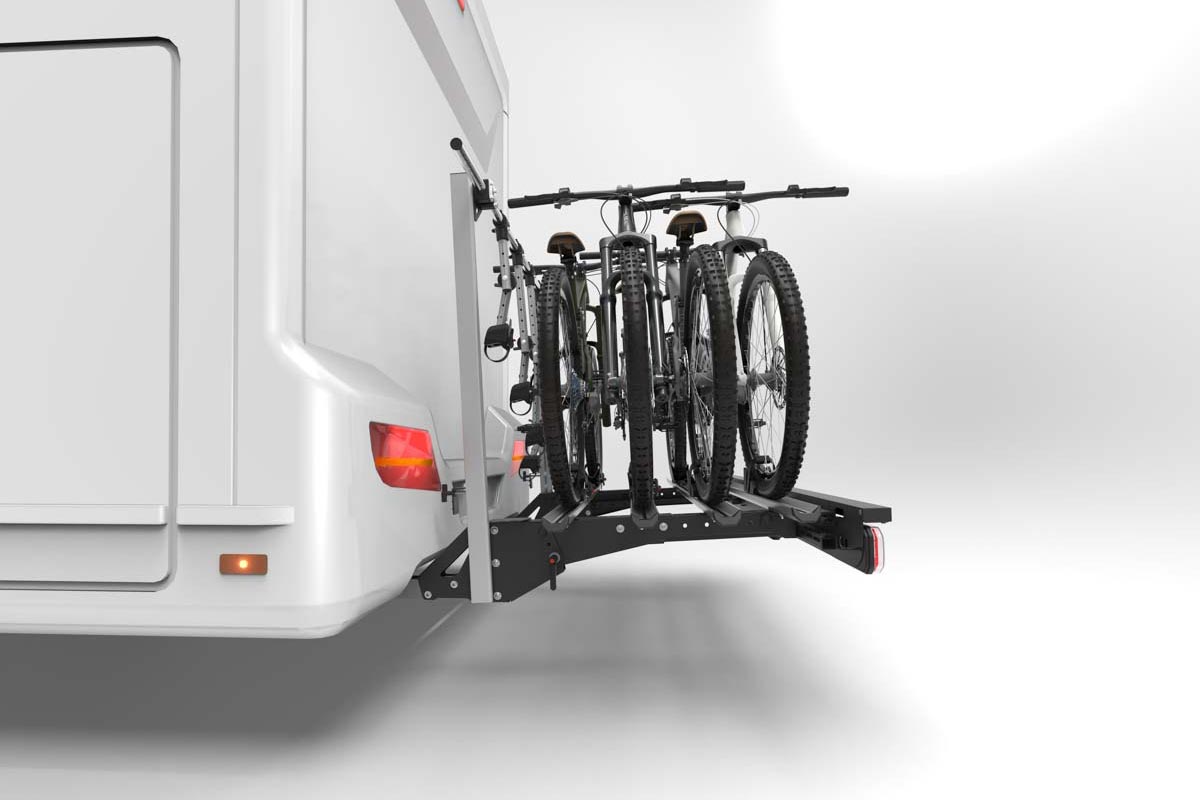
The distribution of weight directly influences your motorhome's road behaviour. Placing the heaviest bicycle on the outer rail is a frequent mistake. This amplifies the lever effect and creates abnormal stress on the anchor points.
Always position the heaviest bike (your e-bike if you have one) on the inner rail, closest to the vehicle body. Lighter models should occupy the outer rails. Poor weight distribution accentuates the length of the rear overhang, thereby increasing the risk of the bike scraping on the road when going over speed bumps.
Do not carry out pre-departure checks
One must never set off without carrying out one final check. Before each departure, check the tightening of the fittings or the towing head for ball models such as the ST-Line or P-Line. After a few dozen kilometres, make a short stop to check the tension of the straps, as the load tends to settle at the beginning of the journey.
To ensure your installation is compliant and to drive safely, professional guidance remains the best option. Request your free quote with Mecatek experts to validate the technical configuration of your motorhome.